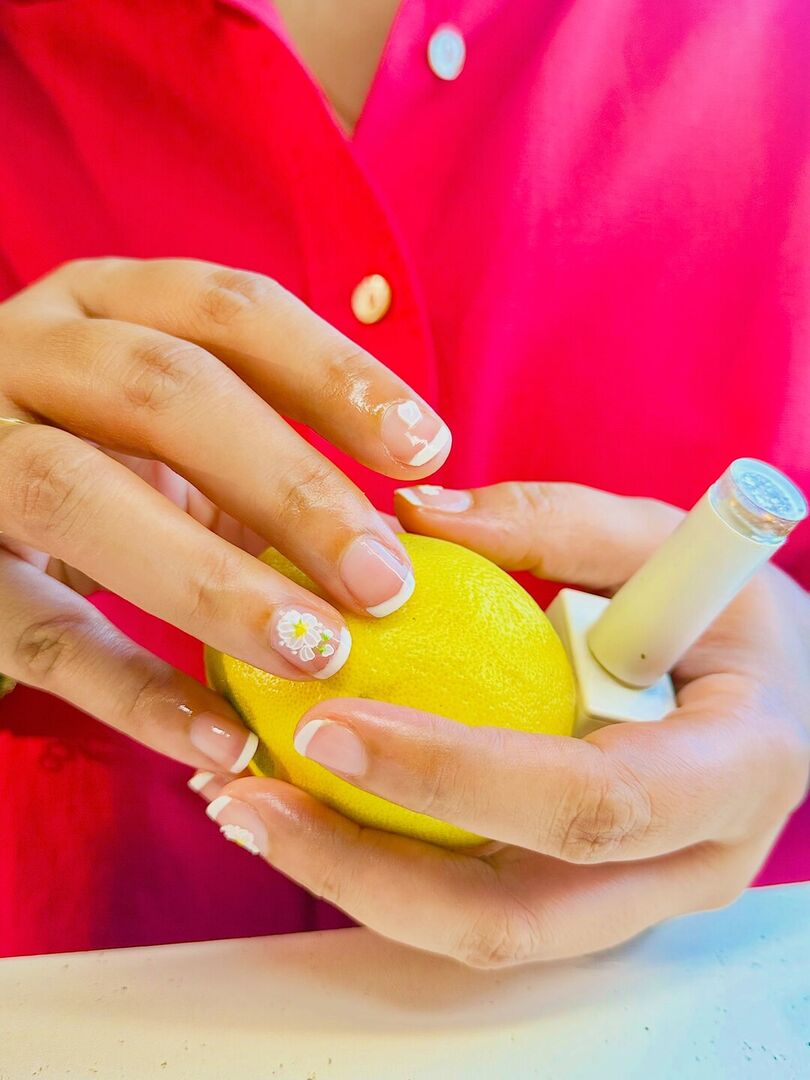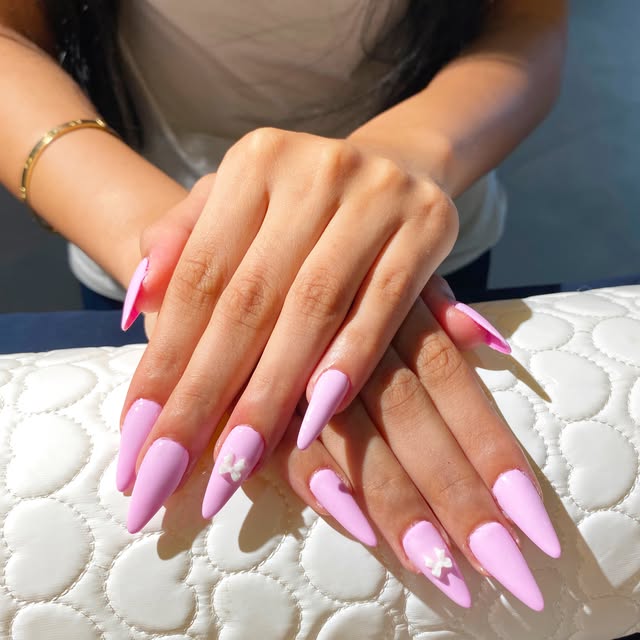
BOOKING HELP · 6 MIN READ
Your first gel or extensions appointment: what to expect
Nervous about a first gel or extensions visit? Here is what usually happens, step by step, and how to prepare.
Khulasa: Pehli dafa gel ya extensions? Pehle design aur length ki baat hoti hai, phir prep, phir colour; aakhir mein aftercare.

Before you come in
Come with clean nails if you can, and mention in chat if you have old polish, gel or extensions that need removing, so enough time is planned for your appointment.
Bring your reference photos, or simply describe your week: how you use your hands tells your artist more than a picture sometimes.
Things people forget to mention
A few details change the whole appointment, and they are exactly the ones people leave out. Your event date, if there is one, so the set is not done too early or too late to look fresh on the day. What is on your nails right now: bare, ordinary polish, gel, or extensions that need taking off. How long your nails are today, because that decides whether you need extensions at all. And roughly how you spend your day.
Hands do very different work. If you cook daily, knead dough, wash dishes without gloves, sit at a keyboard all day, or do wudu several times a day, say it plainly. That is not a small detail, it is the main thing that decides length, shape and finish. Mention any reaction you have had before to acrylic, gel or remover, anything going on with the skin around your nails, and anything you are already using on them.
If the skin around a nail is sore, broken or infected, that is a matter for a doctor first. A dermatologist is the right first stop, not a nail studio. Say so in the chat and the work can wait until it has settled. Nobody will mind, and it is a far better outcome than sitting down and having to stop halfway.
How long to allow, and what the sitting is actually like
Allow more time than you think. A first appointment includes the conversation, the prep, the set itself and then a proper look at it together, and first visits usually run longer than repeat ones because nothing about your nails is known yet. If an old set is coming off as well, that is more time again. Ask in the chat what to plan for, and try not to line up something tight straight afterwards.
The sitting itself is quiet and quite still. Your hand rests flat on a cushion and the work happens one nail at a time, so there are long stretches where that hand is not yours to use. Most people find it easier with headphones or something to listen to. Between coats your hand goes under the lamp for short bursts. You can ask to stop, stretch or take a break at any point; nobody expects you to sit frozen. Eat something before you come, and use the bathroom before the work starts rather than in the middle of a colour coat.
What happens during the appointment
First comes the conversation: shape, length and design are agreed before anything touches your nails. Say honestly what feels too long or too bold; a good set is one you will not want to file down at home.
Then preparation: gentle shaping and cuticle care. For gel, colour goes on in thin layers and cures under a lamp. For extensions, the length is built first and the colour or art comes after.
How to say you do not love it
This is the part people find hardest, so it is worth having the sentence ready before you need it. You are allowed to say, while the work is happening, 'can we go a bit shorter', 'this shape is not sitting right on my hand', or 'I thought this colour would be softer'. Said at the second nail, it is easy to act on. Said after all ten are finished, it is much harder for everyone, and sometimes too late to change without redoing the set.
None of this is rude. It is far more awkward to find out weeks later that you never liked it. If the colour is new to you, ask for one nail to be finished first and look at it in daylight near a window before the rest go on. If you are unsure whether something can be changed, just ask.
Aftercare, in plain words
The first hours are simple: your set is cured and ready, so there is no long drying wait like classic polish. Treat your nails kindly for the first day.
After that, the habits that protect a set are small: use cuticle oil if you have it, wear gloves for rough cleaning, and do not use your nails as tools. When the set grows out, book a removal or refill instead of peeling.
Getting used to the length in the first few days
If you have gone longer than usual, expect a few days of clumsiness. Typing, buttons, zips, contact lenses, picking a coin off a table and opening a ring pull all feel different at first. Most people adjust within a couple of days by using the pads of their fingers instead of the tips. That change of habit happens to be the same thing that keeps a set intact, so the awkwardness is quietly doing you a favour.
Washing up, cooking and cleaning are where sets take the most punishment, so gloves for hot water or scrubbing are worth the small hassle. Heat and long soaking are the usual culprits, not ordinary daily use. If your hands are wet several times a day for wudu, mention it while you are choosing length and finish.
If the length turns out to be genuinely wrong for your routine, say so in the chat rather than filing it down at home with whatever is in the drawer. Shortening a gel or extension set is studio work, and a rough job is how the edge starts catching on everything.
Plan the ending at the beginning
Ask at your first visit how removal works and when to come back for it. Most damage people blame on gel or extensions actually comes from peeling a set off at home.
A set that goes on well and comes off properly leaves your natural nails in good shape for the next one.
Common questions
Does getting gel or extensions hurt?
No, application should not hurt. You may feel warmth under the curing lamp for a few seconds. If anything genuinely hurts, say so at once; that is not normal.
How should I prepare for my first nail appointment?
Arrive with clean nails, mention any old polish or extensions that need removing when you book, and bring a reference photo or an honest description of your daily routine.
What should I not do after getting a new set?
Do not pick or peel, avoid using your nails as tools, and book a proper removal when the set grows out. Rough removal at home is where most nail damage comes from.
How much time should I set aside for a first gel appointment?
More than you expect. A first visit includes the conversation, the prep and the set, and taking off an old set adds to that. Ask in the chat what to plan for, and try not to book anything tight straight afterwards.
What if I do not like the colour once it is on?
Say it straight away, ideally after the first nail rather than the tenth. Ask to see one finished nail in daylight before the rest go on. What can be changed, and how, is agreed with you in chat.
Should I come with bare nails?
Clean and bare is easiest, but do not peel an old set off to get there. If you have polish, gel or extensions on, say so when you message so the removal is planned into the appointment instead of eating into it.
Where to go next
General guidance, written simply; it is not medical advice. For skin or nail problems that worry you, a dermatologist is the right first stop. Anything about MB's own services, prices or timings is confirmed with you in chat before your visit.