NAIL HEALTH · 7 MIN READ
Gel vs acrylic nails: which is right for you?
A plain-language comparison of gel and acrylic nails: how each feels, wears, and removes, and how to choose the right one for your routine.
Khulasa: Gel halka aur natural mehsoos hota hai, acrylic zyada mazboot hota hai; apni daily routine ke hisaab se choose karein.
What each one actually is
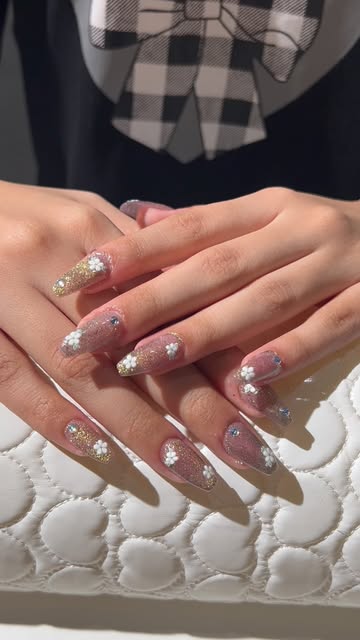
Gel is a resin that cures hard under a lamp. It goes on in thin layers, and each layer is set under the light. Gel extensions use the same idea, built over a form or tip to add length.
Acrylic is a mix of liquid and powder that hardens in the air, no lamp needed. Your nail artist shapes it while it is soft, and it sets into a hard, strong layer. It has been the classic choice for long, sculpted nails for decades.
How each one looks and feels
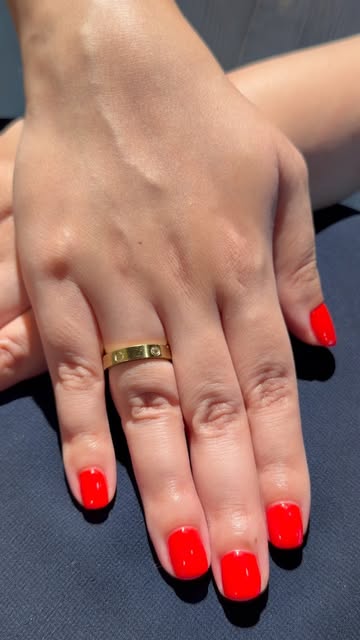
Gel tends to feel lighter and a little flexible, closer to your natural nail. It has a glassy shine straight off the lamp and suits a natural or elegant look.
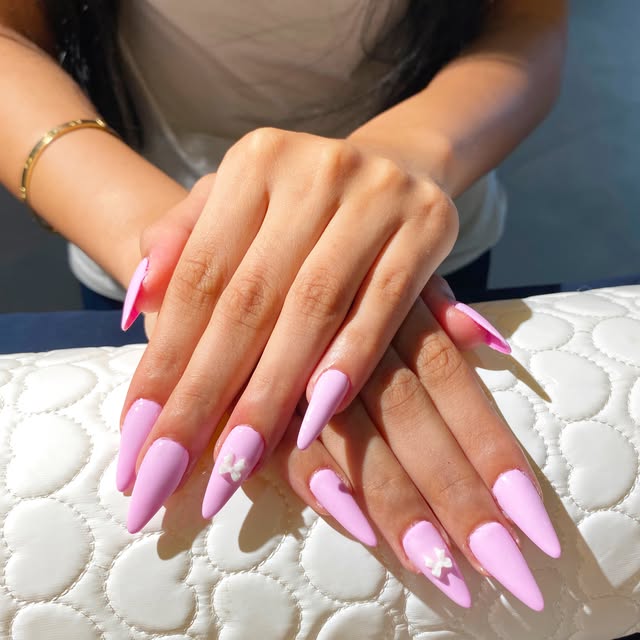
Acrylic feels harder and slightly thicker on the nail. That firmness is exactly why people love it for dramatic length and sharp shapes like stiletto or long coffin. If you want nails that feel solid, acrylic gives you that.
Shape and length decide more than the material
People agonise over gel versus acrylic and then pick a shape that undoes the decision. A long stiletto or a sharp coffin puts all the leverage on a narrow point, so it catches and snaps more easily whatever it is made of. A short square or a soft almond spreads the same length over a wider tip and takes knocks far better. If you break nails often, changing the shape usually helps you more than changing the material does.
Length works the same way. Every extra bit past your fingertip is extra leverage on the bond at the base, which is why the same person can wear a short set for weeks without trouble and lose two nails in a few days on a longer one. If extensions are new to you, starting shorter than you think you want is the least frustrating way to find out what your hands actually tolerate.
There is also a daily-life test that has nothing to do with strength. Long nails change how you type, how you fasten a shalwar kameez, how you pick up a baby, and how you knead atta. Some people adapt inside two days and never think about it again. Some never quite do. That is worth sitting with before you commit to a length you will be wearing for the next few weeks.
Wear, regrowth, and removal
Both wear well. With either one, you will usually notice regrowth at the base around the two to three week mark, and that gap is what sends most people back for a refill.
Removal is where they differ most. Gel generally files and soaks off more easily. Acrylic is denser, so removal takes longer and needs more patience. With both, the rule is the same: never peel or pry them off, because that is where real damage happens.
When one nail breaks
One nail going before the rest is normal with both materials, and it is usually the one you use most: an index finger caught in a car door, a thumb used to lever a lid. What you do in the next hour matters more than which material you were wearing. Leave it alone. Do not file it back into shape yourself, do not clip the broken edge, and do not reach for household glue, because glue on top of an existing crack makes the eventual removal harder.
Cover the edge with tape or a plaster if it is snagging on clothes, keep that hand out of hot water, and send your salon a photo so they can see whether it needs a repair or a replacement on that one finger. Acrylic is often easier to patch invisibly because it is built up and shaped by hand. Gel repairs are routine too, though a break through the middle of a gel extension more often means redoing that nail rather than filling it.
Which suits your daily routine
Think about your hands on a normal day. If you type a lot or cook daily, a shorter set in either material is more practical than very long nails, and gel is often the easier first set because it feels lighter.
Many of our clients also think about wudu. Gel and acrylic both form a sealed layer over the nail, and water does not pass through them. How you approach that is a personal decision, and different people follow different guidance. Some clients time a fresh set around their own routine, and we are happy to work around whatever you decide.
If your hands are in water a lot through the day, from washing, cooking, or bathing children, know that long soaking slowly loosens any product. That is true for both materials, so a shorter, well-sealed set is the practical choice for very water-heavy routines.
Switching between gel and acrylic
You cannot layer one over the other. Switching means the old product comes off completely first, so a switching appointment runs longer than a normal refill and it is worth flagging when you message rather than on the day. Tell the salon what you are currently wearing and roughly how long it has been on. If you genuinely do not know whether it is gel or acrylic, which happens often enough, a clear photo usually settles it.
The switch is also a natural checkpoint. With everything off, you and your tech can see the natural nail properly for the first time in weeks, and that is the moment to decide whether to go straight into the new material or leave nails bare for a while first. Nobody can judge that from a set that is still on. If you are switching because the last material kept breaking, say so, because the fix may turn out to be the shape rather than the product.
How to decide
A simple way to choose: gel if you want a lighter, natural feel and easier removal; acrylic if you want maximum strength and dramatic length. Neither one is better than the other. They are built for different lives.
Cost depends on the length and design you choose, so everything is confirmed in chat before your visit. If you are still torn, tell us how you use your hands and what look you are after, and we will suggest which one fits.
Common questions
Which is better, gel or acrylic nails?
Neither is better overall. Gel feels lighter and more natural and removes more easily, while acrylic is harder and suits dramatic length and sharp shapes. The right choice depends on your daily routine and the look you want.
Does acrylic damage nails more than gel?
The material itself is not the main risk with either one. Most damage comes from rough filing during prep or from forcing the product off instead of removing it properly. Acrylic does take longer to remove, so patience matters more there.
Can I do wudu with gel or acrylic nails?
Both form a sealed layer over the nail that water does not pass through, so this is a personal decision and people follow different guidance on it. Many clients plan their sets around their own routine. It helps to decide before you book so you can choose timing that suits you.
One nail broke a week in. Can I just glue it at home?
Better not to. Glue over a crack makes the removal harder later and traps the break underneath where nobody can see it. Cover the sharp edge with tape so it stops snagging, keep that hand out of hot water, and send your salon a photo so they can tell you whether it needs a repair or a fresh nail on that finger.
Can acrylic be applied over my old gel set?
No. Neither one goes over the other, so the old product has to come off completely first. Mention what you are currently wearing when you message, because a switch takes longer than a normal refill and the removal is part of that appointment rather than something you can do at home beforehand.
Is gel or acrylic better for weak, thin nails?
Neither is a treatment. No product repairs the nail underneath; it only covers it while it grows. What helps more is keeping the set short, avoiding rough filing at the prep stage, and leaving proper time for removal. If your nails are painful, lifting away from the skin, or changing colour, see a dermatologist before you book anything at all.
Where to go next
General guidance, written simply; it is not medical advice. For skin or nail problems that worry you, a dermatologist is the right first stop. Anything about MB's own services, prices or timings is confirmed with you in chat before your visit.