NAIL HEALTH · 9 MIN READ
How to Make Gel Nails Last Longer: A Guide for Hands That Work
Practical ways to make a gel set last longer for hands that cook, wash up by hand and are wet all day, written for Lahore rather than for nowhere.
Khulasa: Gel set zyada chalta hai jab aap garam paani, steam aur peeling se bachein, aur haath dhone ke baad achi tarah sukhain.

Most of what shortens a set happens after you leave
Here is the honest version. Most of what decides how a gel set wears happens after you leave the studio, not while you are sitting in the chair. Application matters, of course. A set prepped or capped badly will tell on you within a few days. But when a set is done properly, the next two weeks are the real test, and the biggest factor is not the knock you take on a door handle. It is water and heat. Hands that are in hot water several times a day will loosen a set faster than almost anything else you do.
That matters because most advice on this subject is written for someone with a dishwasher and a kitchen that does not produce steam twice a day. If your hands knead dough, chop onions, work with oil and haldi, wash dishes and sometimes clothes by hand, and then get wet again for wudu, you are playing a different game entirely. The useful part is that almost every factor on that list responds to small changes in habit. If what you actually want is the lifespan answer itself, there is a separate guide on how long a gel set lasts.
What you decide before the set goes on changes everything
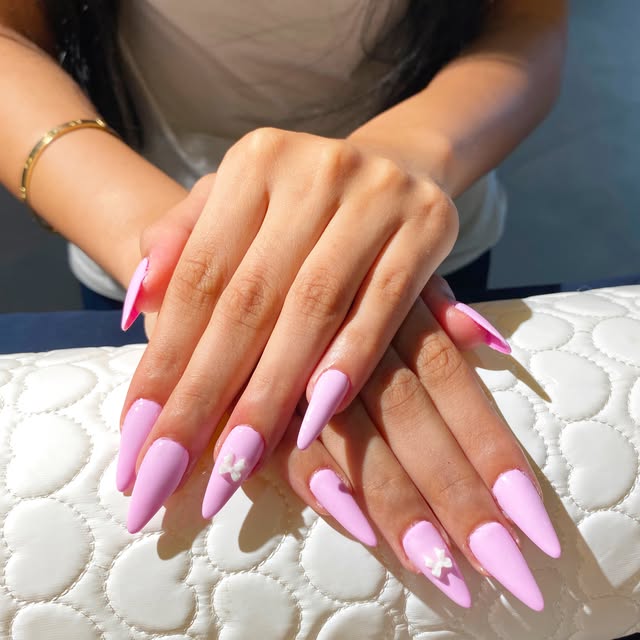
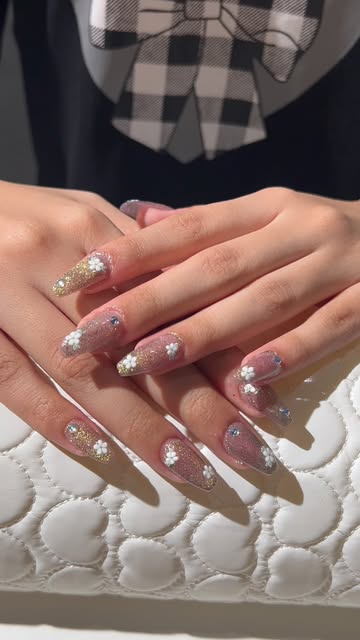
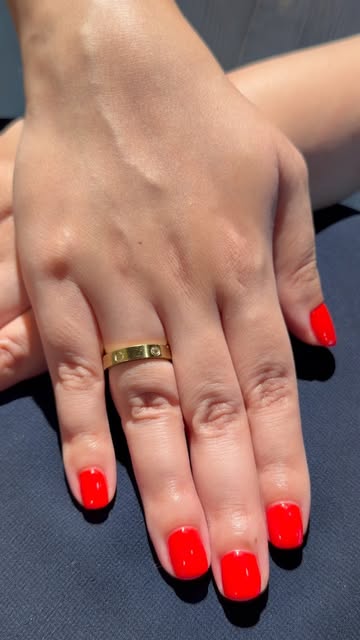
The biggest lever you have is length, and you pull it before a single coat goes on. A long square nail is a lever. Every time a corner catches on a dupatta, a zip, a car door or the inside of a handbag, that force travels down to where the gel meets your natural nail. A shorter nail with a rounded or softly squared edge does not generate the same force, and it slides past things instead of catching on them. If your hands work all day, short and round is not the boring option. It is the option that survives.
Finish is the next decision. A high shine top coat is the most forgiving in a busy kitchen, because oil and water sit on the surface rather than dulling it, and small scuffs buff out of sight. Matte finishes look beautiful and they show every oily fingerprint and every dry patch, so they ask for more upkeep in a house where cooking happens daily. Chrome and magnetic finishes are sealed under a top coat and wear much like any other set, though the way they catch light makes regrowth at the base obvious a little sooner.
Then tell us what your hands actually do. People are polite about this and it costs them days. If you wash clothes by hand twice a week, if you are on and off the stove for hours through function season, if you have a small baby at home, say so. We will shape shorter, keep the corners of the free edge softer, and pick a finish that hides wear rather than announcing it. A technician who knows your week can build for your week. One who does not will build something pretty and fragile.
Water and heat do more damage than knocks
Gel cures under the lamp into a hard, sealed surface, but the seal is only as good as its edges. Hot water works on those edges. Long soaks work on them harder. Steam over a pot does the same from above. Strong cleaning products, bleach and washing powder in particular, dry out the skin at the cuticle. None of this shows on day one. It shows on day nine, as a corner gone slightly milky, or a cuticle line that has lifted just enough to catch.
The standard advice is to wear gloves, and it is correct. The problem is that nobody pulls on gloves for a two minute job, and most kitchen jobs are two minute jobs. So be realistic. Save the gloves for the long tasks where they are worth the trouble, the full round of dishes after dinner, washing clothes. For everything else, change the water rather than the gear. Warm instead of hot. Rinse rather than soak. Keep a dry towel next to the sink and use it every single time. Damp is where the damage happens.
Hands that are wet several times a day
Clients ask us regularly whether gel is acceptable for wudu. We do not answer that, and you should be careful with anyone in a salon who does. Whether a coating on the nail is permissible is a question for a scholar you trust, not for a nail studio, and it is not our place to lean either way. Please take it to someone qualified to answer it. What we can talk about is the part that is genuinely ours, which is what repeated wetting does to a set.
Water several times a day is not dramatic. It is cumulative. Each time, water gathers at the cuticle line and along the free edge, and the places where it lingers longest are where a set gives up first. Drying is where most people lose the benefit. If you rinse and move straight on with your hands still wet, you have left water sitting exactly where you do not want it. Dry properly instead. Around the cuticle, between the fingers, and along the underside of the free edge, which is the spot almost everyone forgets and where lifting usually begins.
This is also worth saying out loud when you choose length and finish. If your hands are wet five or six times a day, every day, you want fewer places for water to sit and fewer corners to catch. That means a shorter free edge, a rounded or soft shape, and a cuticle line kept neat and close rather than heavy. It is not a question of how strong the gel is. It is a question of how many edges you are asking it to defend.
The daily habits that genuinely add days
Cuticle oil is the most underrated thing on this list and the one people skip because it feels cosmetic. It is not. Oil keeps the skin around the nail supple and keeps the set itself a little more flexible, and flexible is what you want, because a rigid set under pressure lifts at the edge rather than moving with you. Use it at night, when nothing will wipe it off, and work it into the cuticle line and the underside of the free edge. A small bottle kept by your bed will get used. One in a drawer will not.
The second habit is small and worth more than it sounds. Use the pads of your fingers, not the tips of your nails. Pressing a lift button, tapping a screen, opening a tin, pulling a zip. Most people reach with the nail because it is nearest the object, and every one of those presses puts load on the free edge and sends it down to the base. Once you notice yourself doing it, it takes about two days to change, and the corners stop giving up so early.
The third is simply not using your nails as tools. Scraping a sticker off a dish, prising open a battery cover, picking at tape, popping a stubborn lid, splitting the seal on a packet. Each one puts a sharp sideways load on a single nail, which is exactly the load gel handles worst. Keep something nearby that does the job properly, a butter knife or a pair of scissors, and let it take the hit instead of your nail.
Picking a lifting edge is the one thing that does real damage
If you remember nothing else, remember this. When a corner lifts and you peel it off, the gel does not come away clean. It is bonded to the top layers of your natural nail and it takes them with it. That is why nails feel thin and tender after a set has been picked off, and why the next set has less to hold on to. The set is not the thing you are damaging. Your own nail is. It is also the most tempting thing in the world at eleven at night, when a corner catches on everything.
So have a plan ready for that moment. If an edge catches, file it smooth with a gentle file so it stops snagging, and leave the rest of it alone. A small piece of tape over it overnight will stop it pulling on bedding. Message us and we will sort it out properly, at a time agreed in chat. Do not cut it back with scissors, and do not try to soak it off at home. And if the nail underneath is sore, broken, discoloured or looks infected, see a doctor or a dermatologist before any nail work at all.
Lahore weather is part of the equation
Summer here works against a set in two ways at once. Heat and humidity mean hands sweat, and the skin around the nail is rarely completely dry. When load shedding takes the fans out that gets worse, and the water in the pipes runs warm anyway, so a quick rinse is not as cool as you assume. None of this is a reason to skip gel. It is a reason to keep the set shorter through the worst months, to dry your hands on a towel rather than letting them air dry, and to keep the oil going at night.
Winter flips the problem around. The air is dry, the dust is constant, and hot water use goes up because nobody washes up in cold water in January. Dry skin around the cuticle pulls away from the nail, and that small gap is exactly where lifting starts. Strong sun through a car window over months can shift some colours too, particularly bright reds, corals and pastels, which is worth knowing if you drive a lot. Through winter the answer is mostly moisturiser and oil, used more often than feels necessary, and warm water at the sink.
Knowing when to stop stretching a set
There is a point where careful habits stop helping. As your nail grows, the gel sits further from the base and the balance changes. The same knock that did nothing in week one now has real force behind it. Most people find a gel set is ready for a refill somewhere around two to three weeks, though that varies with how fast your nails grow and what your hands do. The signal is not the calendar anyway. It is the first corner that lifts, the first regrowth you notice in photographs, the first catch on fabric.
Coming back at the right time mostly means coming back before that turns into half a set hanging on. A removal is calmer and gentler on your natural nail when there is little lifting to work around, and a refill on a set that is still mostly intact is straightforward in a way that a rescue is not. Message us when you see the first signs and we will agree a time in chat. Stretching a set to its absolute limit rarely works out in your favour.
Common questions
how to make gel nails last longer
Keep them shorter and rounder, stay out of hot water where you can, and dry your hands properly every time instead of leaving them damp. Use cuticle oil at night, use your finger pads rather than your nail tips, and never pick at an edge that has started to lift.
does hot water ruin gel nails
Hot water will not strip a set off in one go, but repeated hot washing up and long soaks work on the edges, where water sits at the cuticle line and under the free edge. Warm water, shorter contact and drying your hands straight afterwards all help.
why do my gel nails keep lifting after a week
Lifting that early usually points at the edges rather than the whole set. Water sitting at the cuticle line, dry skin pulling away from the nail, a length that catches on everything, or picking at a corner that had only just started to go. Tell your technician what your hands do all day.
can i wash dishes with gel nails
Yes, though the water temperature and the contact time matter more than the washing itself. Gloves are worth pulling on for the full round after dinner. For quick jobs, keep the water warm rather than hot, avoid letting your hands soak, and dry them on a towel straight afterwards.
does wudu affect gel nails
Whether gel is acceptable for wudu is a question for a scholar you trust, not for a nail studio, and we do not give a view on it. On the practical side, hands that are wet several times a day wear at the edges, so drying properly and choosing a shorter length both help.
how do i stop gel nails chipping at the tip
Chipping at the tip is almost always length and habit. A long square edge catches on fabric, zips and handles. Go shorter with a rounded or soft edge, use your finger pads rather than your nail tips, and stop using your nails to open, scrape or prise anything at all.
what should i do if my gel nail starts lifting
File the catching edge smooth so it stops snagging, and leave the rest alone. A piece of tape over it overnight helps while you sleep. Message us and we will sort it properly at a time agreed in chat. If the nail underneath is sore, broken or discoloured, see a doctor first.
is cuticle oil actually necessary for gel nails
It does more than most people expect. Oil keeps the skin around the nail supple and the set a little more flexible, and dry skin pulling away from the cuticle is where many sets begin to go. Use it at night, on the cuticle line and under the free edge, not only on top.
Where to go next
General guidance, written simply; it is not medical advice. For skin or nail problems that worry you, a dermatologist is the right first stop. Anything about MB's own services, prices or timings is confirmed with you in chat before your visit.